If your workweek depends on a smooth trip into Manhattan, choosing the right part of Jersey City can make a real difference. You are not just picking an address. You are picking a daily rhythm, a building style, and the kind of neighborhood feel you want when the workday ends. This guide breaks down Exchange Place and Downtown Jersey City so you can decide which one fits your commute and your lifestyle best. Let’s dive in.
Why this comparison matters
For NYC commuters, both Exchange Place and Downtown Jersey City are strong options. The real question is not whether one has transit and the other does not. The better question is how you want transit, housing, and street life to work together in your day-to-day routine.
Exchange Place is the more concentrated waterfront option. Downtown Jersey City is broader and more varied, with a mix of older blocks, historic districts, and a strong pedestrian core around Grove Street and Newark Avenue. If you are deciding between the two, that difference usually matters more than the map alone.
Exchange Place at a glance
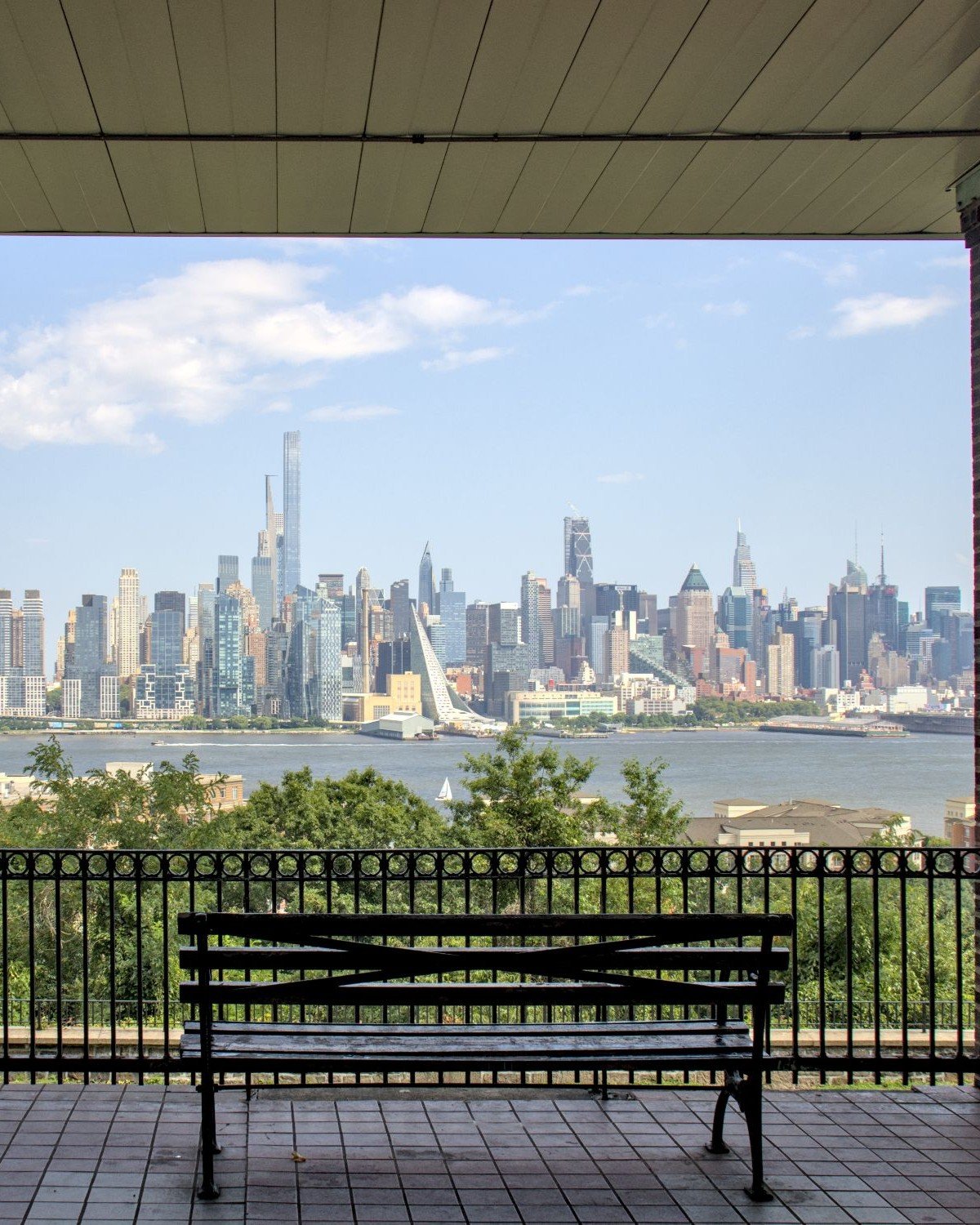
Exchange Place is Jersey City’s transit-first waterfront edge. City planning materials describe it as an area tied closely to the Hudson River waterfront, mass transit, office and residential development, and high-intensity land uses.
In practical terms, that often means a more tower-heavy environment with a strong commuter focus. You are close to the water, close to major transit connections, and close to a district designed to stay active throughout the day and evening.
What commuting looks like in Exchange Place
Exchange Place has direct PATH service on the Newark to World Trade Center line and the Hoboken to World Trade Center line. The station also connects with the Hudson-Bergen Light Rail, and PATH information lists direct connections to ferries and local buses.
That gives you several ways to move depending on your office location and schedule. If you want the shortest decision path from home to train or ferry, Exchange Place is hard to ignore.
What the neighborhood feels like
The public realm in Exchange Place is shaped by the waterfront. The Hudson River Waterfront Walkway provides free public access along the water, and the area also includes the Exchange Place Pedestrian Plaza and event programming such as Movies on the Pier and the Jersey City Jazz Festival.
The overall feel is polished, open, and efficient. If you picture yourself in a full-service high-rise with quick access to Manhattan and waterfront views as part of your routine, this area often checks those boxes.
Downtown Jersey City at a glance
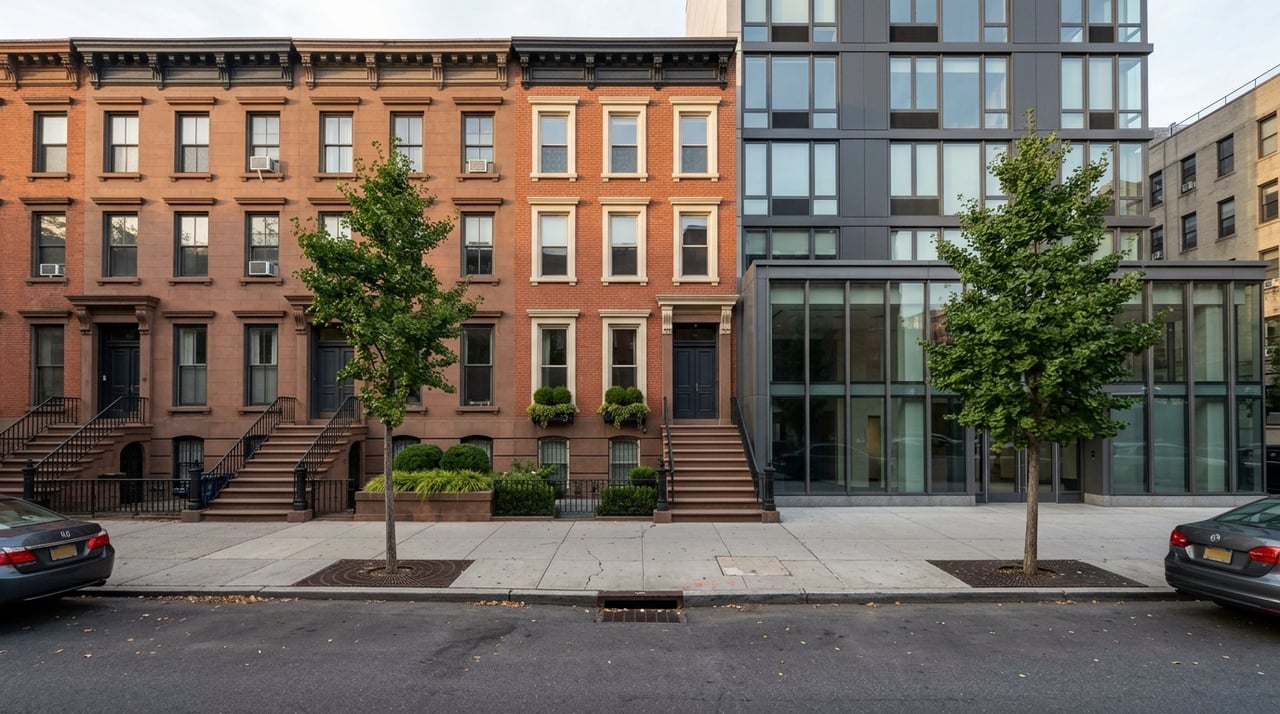
Downtown Jersey City is more mixed in age, building type, and block character. City materials place Hamilton Park, Harsimus Cove, Paulus Hook, and Van Vorst Park historic districts within downtown, and the city’s historic-district guidelines identify the 19th-century row house as a dominant building type.
That creates a different kind of living experience. Instead of one concentrated waterfront district, you get a broader downtown environment with more architectural variety and a stronger street-scene pattern around Grove Street and Newark Avenue.
What commuting looks like in Downtown
Downtown Jersey City still works very well for Manhattan commuters. The Exchange Place North redevelopment plan notes that the broader downtown grid begins just a few blocks west of the waterfront, and that both Exchange Place PATH and Grove Street PATH are within reach from parts of the area.
This means your commute can still be highly convenient, but your exact experience may depend more on the specific block or building you choose. For some buyers and renters, that tradeoff is worth it for more neighborhood texture and housing variety.
What the neighborhood feels like
Downtown Jersey City has a more neighborhood-centric social pattern. Historic Downtown Special Improvement District programming includes a year-round farmers market, the All About Downtown Street Fair, and seasonal events, while the Newark Avenue Pedestrian Mall and Grove Street PATH Plaza function as the district’s pedestrian core.
If you want more local street activity and a wider mix of storefronts, blocks, and building styles, Downtown often feels more layered. It can appeal to commuters who want Manhattan access without living in a setting that feels fully centered around the commute itself.
Commute options compared
For many buyers and renters, the best way to compare these areas is by how direct and flexible the trip feels.
| Feature | Exchange Place | Downtown Jersey City |
|---|---|---|
| PATH access | Direct service at Exchange Place | Access often tied to Grove Street or a short trip toward Exchange Place |
| Ferry option | Nearby via waterfront connections | Paulus Hook weekday ferry service may suit some downtown residents |
| Light Rail access | Direct connection at Exchange Place | Available depending on exact location |
| Overall commute feel | Most concentrated and transit-first | Convenient, but more location-dependent |
Exchange Place stands out for immediate transit density. Downtown remains commuter-friendly, but the experience is usually less uniform and more dependent on where exactly you live.
Housing stock feels very different
Your housing options may be one of the biggest deciding factors.
Exchange Place North market data shows a median listing price of $724,999 and a median rent of $3,650 per month, with 17 homes for sale and 14 rentals in the current snapshot. The same market view describes the area as balanced, with homes selling for about asking on average.
Physically, the area leans toward high-rise office and residential development. If you want a newer building, elevator living, and a more amenity-forward setup, Exchange Place is more likely to deliver that experience.
Downtown Jersey City’s median sale price was $822,223 over the last three months, according to the cited market snapshot. Redfin also describes the area as somewhat competitive, with homes getting about two offers on average and selling in around 54 days.
In housing terms, Downtown offers more range. You may see condos, loft-style options, row houses, brownstone-style properties, and other formats that feel more tied to the historic street grid.
Street life and daily rhythm
Commute time matters, but so does what happens before and after it.
Exchange Place often suits people who want an easier daily flow. You may value a short walk to PATH or ferry, a modern building environment, and open waterfront space for a morning coffee run or an evening walk.
Downtown Jersey City often suits people who want more variety woven into everyday life. The pedestrian core around Newark Avenue and Grove Street, plus recurring neighborhood events, gives the area a more lived-in and street-oriented feel.
Neither choice is better across the board. It comes down to whether you want a waterfront, tower-heavy, transit-concentrated setting or a broader downtown environment with more architectural variety and neighborhood texture.
Which area may fit you better
Exchange Place may fit if you want:
- The most direct, concentrated Manhattan commute setup
- A waterfront setting
- A high-rise residential environment
- Easy access to PATH, ferry connections, and Light Rail
- A cleaner split between work commute and home base convenience
Downtown Jersey City may fit if you want:
- More building variety, including row houses, brownstones, and condos
- A stronger neighborhood street scene
- Pedestrian-heavy blocks around Grove Street and Newark Avenue
- Access to downtown events and markets
- A commuter-friendly location that feels less centered on towers and the waterfront
The smartest way to choose
If you are serious about buying or renting in Jersey City, the best next step is to compare not just neighborhoods, but specific buildings and blocks. In this part of Hudson County, a few streets can change your transit access, housing style, and day-to-day feel more than you might expect.
That is where local perspective matters. A team that understands Jersey City block by block can help you weigh commute convenience against pricing, building style, and long-term fit, whether you are searching for a condo, brownstone-style home, waterfront property, or an investment-minded opportunity.
If you want help narrowing down Exchange Place versus Downtown Jersey City, connect with Hauss & Dwell Real Estate for a private consultation.
FAQs
Is Exchange Place or Downtown Jersey City better for NYC commuters?
- Both are commuter-friendly, but Exchange Place is generally the more transit-concentrated option, while Downtown Jersey City offers a more varied neighborhood setting with good access depending on the exact location.
Does Exchange Place have direct PATH service to Manhattan?
- Yes. Exchange Place has direct PATH service on the Newark to World Trade Center and Hoboken to World Trade Center lines.
Is Downtown Jersey City close to PATH stations for Manhattan commuting?
- Yes. Many parts of Downtown Jersey City have access to Grove Street PATH or are a short distance from Exchange Place PATH, though commute convenience depends more on the specific block.
What kind of housing is common in Exchange Place?
- Exchange Place is more associated with high-rise residential and office development near the waterfront.
What kind of housing is common in Downtown Jersey City?
- Downtown Jersey City includes a wider mix of housing types, including condos, loft-style homes, and historic row house or brownstone-style properties.
Is there a price difference between Exchange Place and Downtown Jersey City?
- Based on the cited market snapshots, Exchange Place North shows a median listing price of $724,999, while Downtown Jersey City shows a median sale price of $822,223 over the last three months.