Trying to choose between a condo and a brownstone in Downtown Jersey City? In 07302, that decision affects far more than style or square footage. You are weighing upkeep, monthly costs, control over renovations, transit convenience, and even how a building handles rain, drainage, and flood exposure. If you want a clearer way to compare both paths, this guide will help you sort through the tradeoffs and focus on what matters most. Let’s dive in.
Why this choice matters in 07302
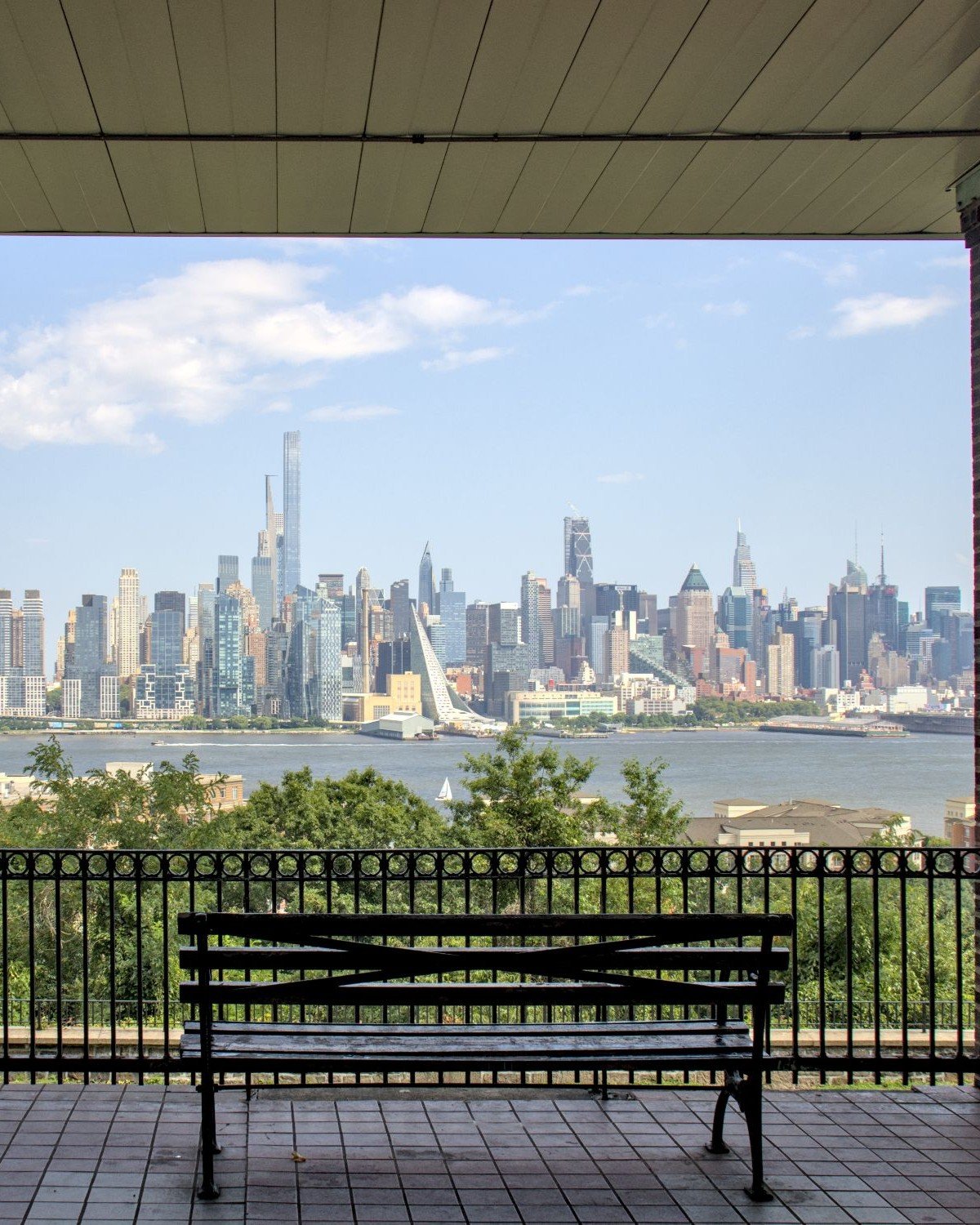
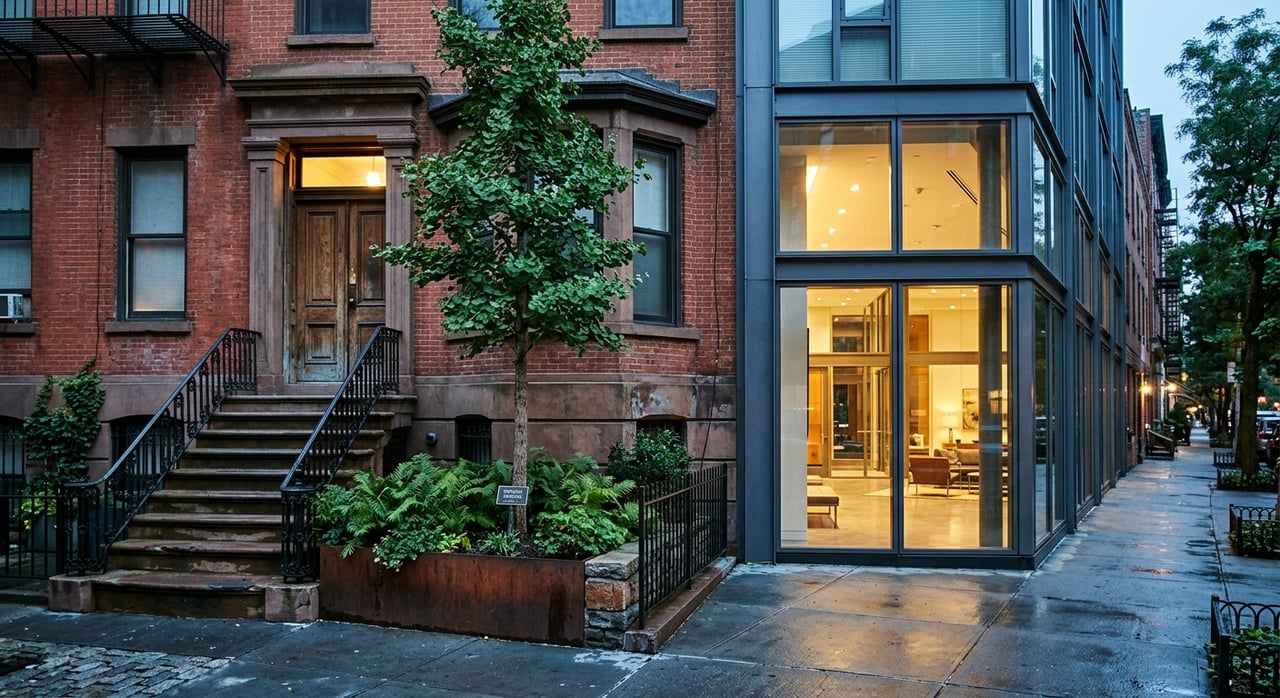
Downtown Jersey City includes areas such as Paulus Hook, Van Vorst Park, Harsimus Cove, Exchange Place, the Powerhouse Arts District, and Hamilton Park. In this part of Jersey City, you will find both modern condo buildings and classic brownstone-lined blocks, often within a short distance of each other.
That makes the condo versus brownstone question especially relevant here. Two homes may offer a similar location benefit, but the ownership experience can feel completely different once you factor in maintenance, governing documents, historic rules, and carrying costs.
Another local factor is resiliency. Jersey City describes itself as a dense urban and coastal community that is vulnerable to climate impacts, and most of the city is served by a combined sewer system. For you as a buyer, that means flood exposure, drainage conditions, and basement or ground-level water management deserve real attention during due diligence.
What condo ownership means
In New Jersey, a condo means you own your individual unit along with an undivided interest in the common elements. Those common elements can include things like the roof, basement, lobby, stairways, elevators, parking areas, and central utilities.
The condominium association is responsible for administration and management of the property, as well as maintenance, repair, replacement, cleaning, and sanitation of the common elements. As a unit owner, you are proportionately responsible for common expenses.
In practical terms, this often creates a more structured ownership model. You may have less direct responsibility for day-to-day building upkeep, but you will usually take on monthly HOA or common charges and may also face assessments based on the governing documents.
Common condo advantages
For many 07302 buyers, condos appeal because they simplify ownership.
- Building systems are often managed collectively
- Shared maintenance can feel more predictable
- Amenities and common areas may be included
- The lifestyle can be easier for buyers with busy schedules
- Transit-oriented buildings are common near PATH access
Common condo tradeoffs
That convenience comes with limits and costs.
- Monthly HOA or common charges add to carrying costs
- Assessments may arise under the association documents
- Renovation choices may be more restricted by building rules
- Your ownership experience depends partly on how the association is run
Because of that, the master deed and bylaws are essential review items. They help define how the property operates, what the association covers, and what costs or rules may apply to you.
What brownstone ownership means
In Downtown Jersey City, many buyers use the term brownstone broadly to mean a rowhouse or townhome-style property. In ownership terms, the key distinction is often whether you are buying a condo unit within a building or a fee-simple home where you directly own and maintain the residential structure.
The New Jersey Department of Community Affairs notes that where an association has no residential building maintenance responsibility, individual owners are directly responsible for that maintenance. Depending on the property, common areas may still exist, but the owner is generally more responsible for the home itself.
That can create a more independent ownership experience. You may have more privacy, a private entrance, and more control over timing and scope of repairs, but you are also more likely to carry the responsibility for roof work, masonry, windows, and mechanical systems.
Common brownstone advantages
Brownstones often appeal to buyers who want more autonomy.
- More direct control over the property
- Greater sense of privacy
- Potential for more space across multiple levels
- A private entrance can change daily livability
- Maintenance timing is often in your hands
Common brownstone tradeoffs
The extra control also means more hands-on ownership.
- Major repairs can be your direct responsibility
- Maintenance costs may feel less predictable
- Exterior work can become a larger planning issue
- Basements and lower levels may need close review for moisture or drainage concerns
Historic district rules matter
This is one of the biggest local details buyers sometimes underestimate. Many brownstone-heavy blocks in the Downtown core sit within Jersey City historic districts.
According to Jersey City, any development, construction, alteration, rehabilitation, or repair within a historic district or landmark building requires a Certificate of No Effect or Certificate of Appropriateness before work begins. If you are buying a brownstone with plans to update the exterior over time, that review process should be part of your planning from the start.
This does not automatically make a brownstone a harder choice. It simply means that more control does not always equal complete freedom, especially when exterior changes are involved.
Transit access can support both options
One reason 07302 remains so attractive is strong regional access. PATH identifies Jersey City station locations including Grove Street, Exchange Place, and Newport, and the Port Authority describes PATH as the primary transit link between Manhattan and neighboring New Jersey communities.
That means both condos and brownstones can offer a strong commute story, depending on the exact block and station access. For some buyers, a condo near a PATH stop may feel like the most convenient fit. For others, a brownstone a bit deeper into the neighborhood may still offer a manageable routine while delivering a different home feel.
Costs to compare beyond the price tag
When you compare condos versus brownstones in Downtown Jersey City, purchase price is only one part of the equation. Your monthly and long-term ownership costs may differ in important ways.
For condos, you should look closely at common charges, reserve strength, and any potential assessments described in the building documents. For brownstones, you should focus more on direct building maintenance and future capital needs.
Property taxes also deserve extra attention. Jersey City says property taxes are calculated from assessed value and the tax rate, and the city also announced a revised 2026 municipal tax rate increase of 15% on June 29, 2026. That means you should verify current carrying costs using the latest available tax information instead of relying on older estimates.
Flood, drainage, and ground-level risk
In 07302, this issue belongs on every buyer checklist. Jersey City states that it is vulnerable to climate impacts, and most of the city uses a combined sewer system that can overflow during heavy rain or snowmelt.
For condos, that may lead you to ask how the building manages common basements, garage areas, and drainage systems. For brownstones, it often means taking a careful look at cellar or garden-level conditions, sump systems, past water issues, and how runoff is handled around the property.
Even if a home looks turn-key, water management should never be treated as a minor detail in this part of the market. It is part of understanding how the property may perform over time.
Parking should be verified, not assumed
Parking can affect convenience and resale appeal, especially in a dense downtown setting. Jersey City has its own parking rules and resident parking programs, so it is smart to confirm what is actually included or permitted before closing.
With condos, that may mean confirming deeded, assigned, leased, or shared parking rights. With brownstones, it may mean understanding curb access, permit rules, or whether any off-street setup exists.
Which option fits your lifestyle?
For many buyers, the best choice comes down to how you want to live day to day.
If you want a building-managed lifestyle with more predictable shared upkeep, a condo may feel like the cleaner fit. If you value privacy, control, a private entrance, and a more hands-on ownership model, a brownstone may align better with your goals.
Neither option is automatically better. In Downtown Jersey City, the smarter move is the one that matches your time, budget, renovation plans, and comfort level with property management.
A practical 07302 checklist
Before you move forward on either property type, make sure you review the basics with local context in mind.
If you are considering a condo
- Review the master deed and bylaws
- Confirm monthly common charges
- Ask about assessments or upcoming capital work
- Verify what common elements the association maintains
- Check parking rights and building policies
- Ask how the building handles drainage or lower-level water concerns
If you are considering a brownstone
- Confirm whether ownership is fee-simple or condo-based
- Review roof, masonry, windows, and mechanical condition
- Check for basement or ground-level moisture concerns
- Verify historic-district or landmark status
- Understand whether exterior work may need city approval
- Confirm parking realities and access
Final thoughts on condos versus brownstones
In Downtown Jersey City, condos usually make the most sense for buyers prioritizing convenience, shared services, and a more structured ownership model. Brownstones usually make the most sense for buyers prioritizing privacy, control, and the character of a more independent home.
In 07302, both paths deserve careful review of taxes, flood exposure, drainage, parking, and building documentation. If you compare those factors early, you can choose based on the full ownership picture, not just first impressions.
If you want help weighing a specific condo against a brownstone in Jersey City, the team at Hauss & Dwell Real Estate can help you evaluate the tradeoffs with local context and a smarter plan.
FAQs
What is the main difference between a condo and a brownstone in Downtown Jersey City?
- In Downtown Jersey City, a condo usually means you own a unit plus a share of common elements managed by an association, while a brownstone or townhome usually means more direct owner responsibility for the building itself.
Are condo fees in Jersey City worth it for 07302 buyers?
- Condo fees can be worth it if you value shared maintenance, building management, and a more predictable upkeep structure, but you should review the bylaws, common charges, and any potential assessments carefully.
Do brownstones in Downtown Jersey City have renovation restrictions?
- Some do, especially in historic districts, where Jersey City requires a Certificate of No Effect or Certificate of Appropriateness before certain work begins.
What flood-related questions should 07302 buyers ask before closing?
- You should ask about flood exposure, drainage conditions, basement or ground-level water history, and how the property manages heavy rain given Jersey City’s climate vulnerability and combined sewer system.
Is a condo or brownstone better for commuting to Manhattan from Jersey City?
- Either can work well, since Downtown Jersey City has access to PATH stations such as Grove Street, Exchange Place, and Newport, so the better option often depends on the exact location and the kind of home you want.
What documents matter most when buying a condo in Jersey City?
- The master deed and bylaws are key because they define how the condominium is run, what the association maintains, and what costs or rules may apply to owners.
What should buyers verify about parking in Downtown Jersey City?
- Buyers should verify whether parking is deeded, assigned, leased, shared, or permit-based, because parking rules and resident parking programs can vary across Jersey City.